Frequently Asked Questions
How does stamped concrete add character to a surface?
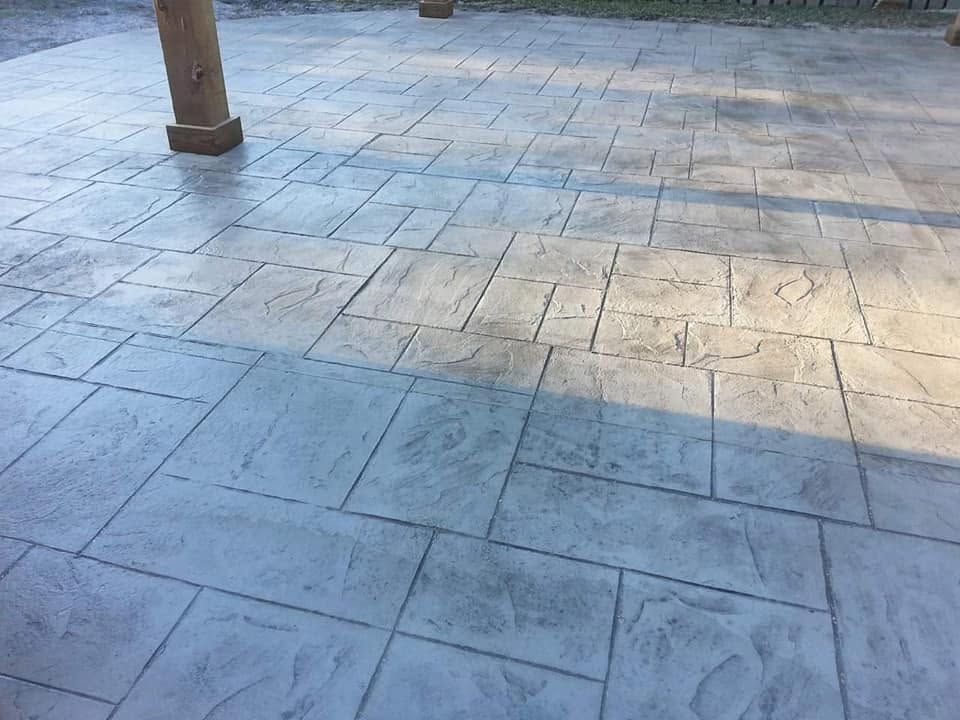
Stamped concrete presses custom patterns and textures into a fresh pour, transforming a standard slab into a decorative finished surface with visual character. Color and pattern choices can be tailored to complement any property's design. At Unique Pattern Concrete, every stamped project is guided by our commitment to surfaces that are always unique, in a pattern, on concrete.When should concrete be sealed or resealed?
Concrete should be sealed after installation and resealed once the surface no longer beads water—a clear sign the protective layer has broken down. In South Louisiana's humid climate, sealers break down faster than in drier regions. Our team evaluates each surface to recommend the right maintenance interval for your property.What's the difference between concrete staining and epoxy flooring?
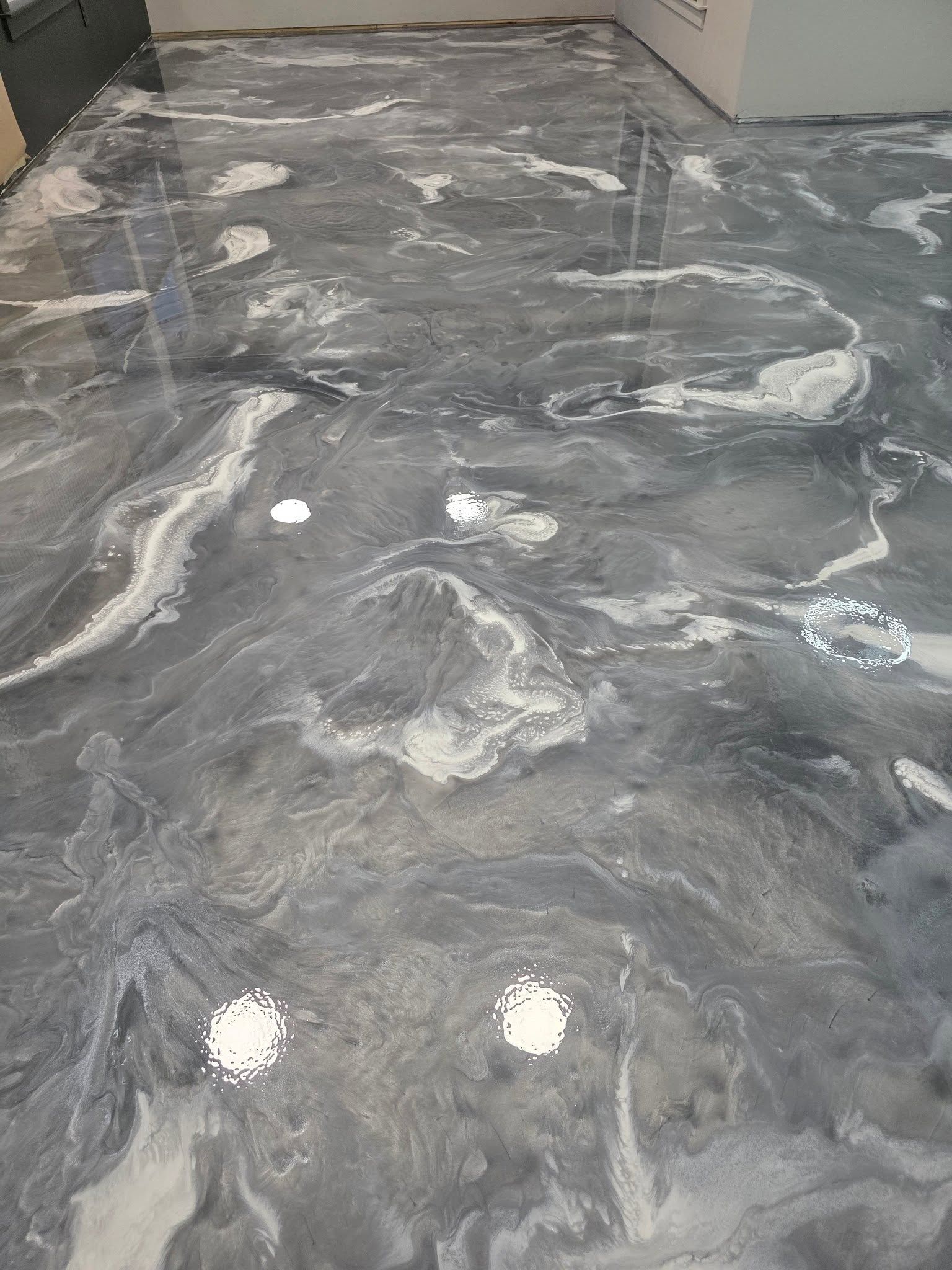
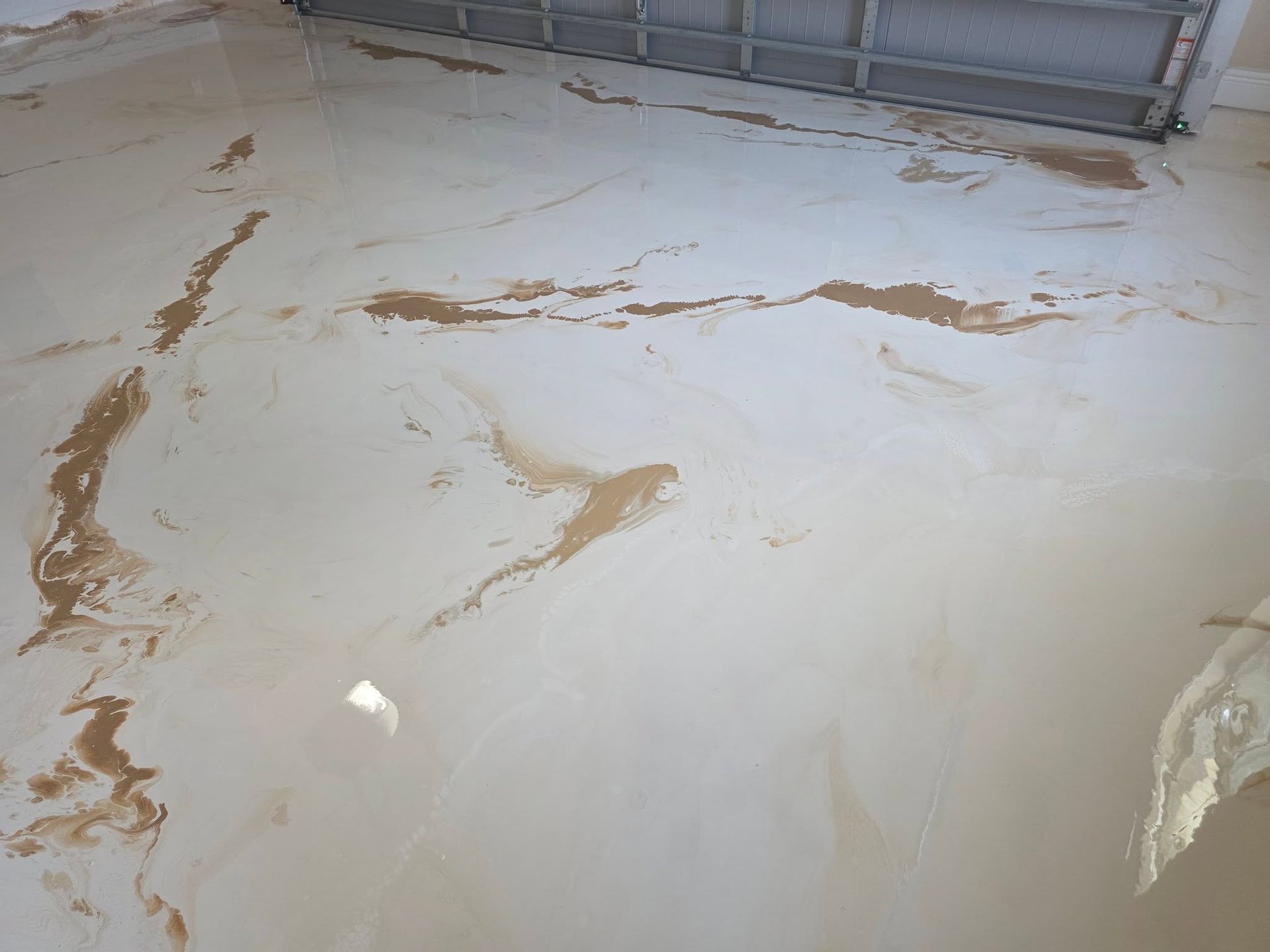
Concrete staining penetrates the surface to add color and visual character to existing or new concrete, while epoxy flooring creates a durable, protective coating layer suited for heavy traffic or moisture-prone spaces. Staining is popular for decorative residential and commercial settings, while epoxy is often preferred for garage floors and commercial interiors. Both services are available through our one-stop-shop team.What are the benefits of sealing outdoor concrete?
Sealing concrete blocks moisture from entering the slab, protecting against surface staining, spalling, and premature wear. A properly sealed surface sheds water rather than absorbing it, slowing deterioration over time. For South Louisiana properties facing frequent rain and high humidity, sealing is one of the most cost-effective maintenance steps available.What causes concrete to crack or deteriorate over time?
Concrete deteriorates through moisture cycling, thermal expansion, soil movement, and surface wear—all of which are intensified by South Louisiana's heat, humidity, and heavy seasonal rainfall. Unsealed or improperly installed slabs absorb water that weakens the interior matrix over successive wet seasons. Identifying the root cause—poor drainage, missing control joints, or failed sealer—is the first step in effective repair.Can damaged concrete be repaired instead of replaced?
In many cases, yes—concrete with surface cracking, spalling, or wear can be repaired, resealed, or refinished rather than fully replaced. The right approach depends on whether damage is cosmetic or structural in nature. Our team inspects each surface to determine whether repair or a decorative overlay best addresses the condition before any work begins.What services does a one-stop concrete shop provide?
A full-service concrete company handles everything from installation and stamping to repair, staining, sealing, and specialty flooring like epoxy and marble—without requiring property owners to coordinate multiple contractors. Unique Pattern Concrete serves both residential and commercial customers across South Louisiana as a licensed, insured one-stop shop with over 25 years of experience.How does South Louisiana's climate affect concrete surfaces?
The combination of persistent heat, high humidity, and frequent heavy rainfall puts more stress on concrete than most climates. Moisture works into unsealed surfaces causing spalling, while UV exposure breaks down protective sealers faster than in drier regions. Proper installation, joint placement, and regular sealing are essential for concrete that holds up across South Louisiana's wet seasons.What's the biggest mistake property owners make with concrete?
The most common mistake is waiting too long to address early warning signs like surface crazing, fading color, or cracking—delaying action allows water to work beneath the slab and turns a manageable repair into a costly replacement. Our team evaluates existing surfaces to recommend repair or resealing before problems escalate to a point that requires full removal.How does marble flooring work for residential spaces?
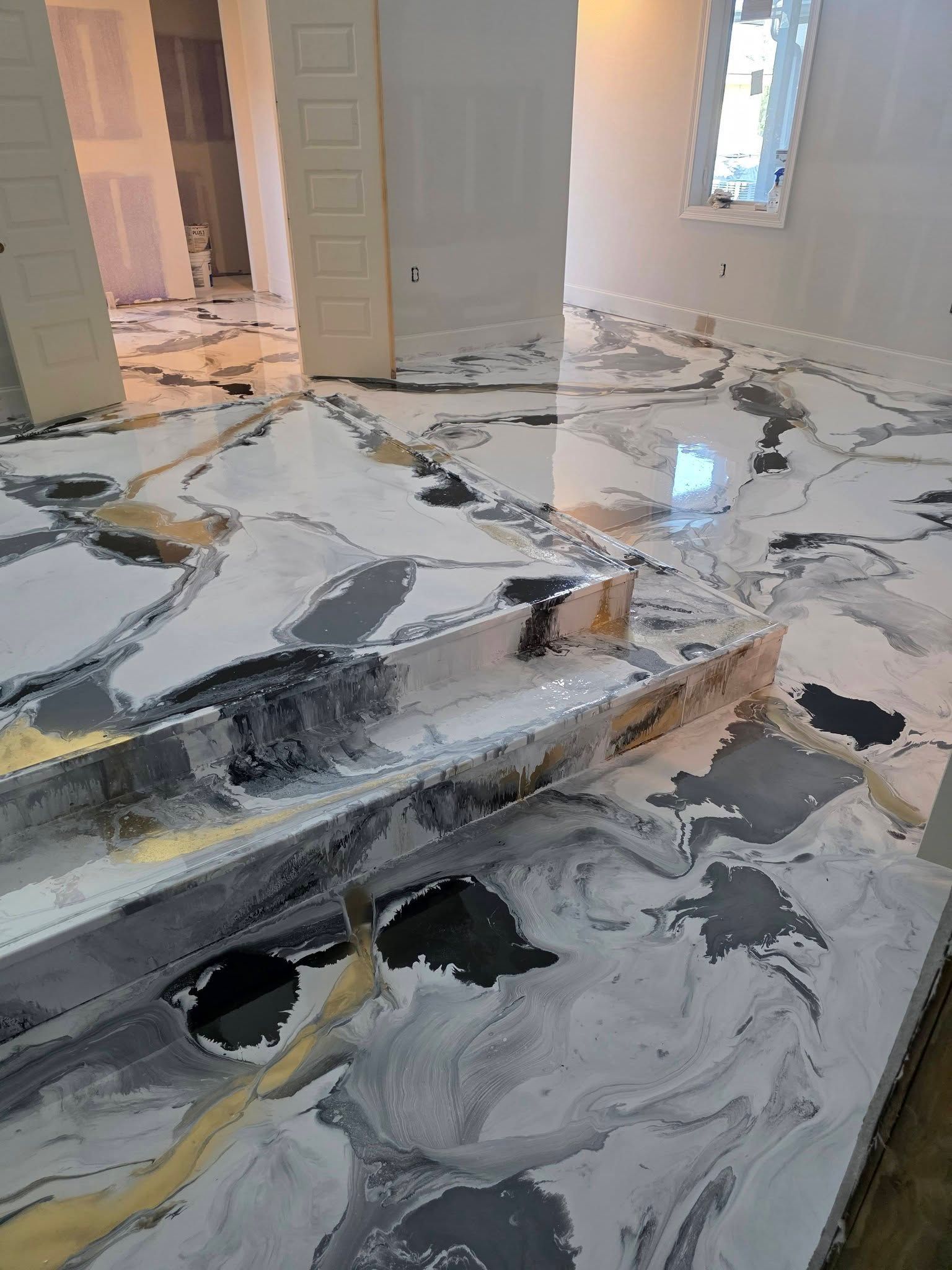
Marble flooring provides a distinctive, upscale finished surface for residential interiors, offering visual character that standard flooring options don't match. Experienced installation is essential to ensure the substrate is level and the finished surface stays stable over time. Our family-owned team brings over 25 years of experience to marble flooring projects for South Louisiana homeowners.How does South Louisiana's climate affect stamped concrete durability?
High humidity, frequent rain, and seasonal temperature swings cause concrete expansion and contraction that can wear stamped patterns over time. Proper sealing protects the surface from moisture penetration and UV fading. South Louisiana properties benefit from resealing every 2-3 years to maintain pattern definition and color.What's the difference between epoxy flooring and concrete staining?
Epoxy creates a separate coating layer on top of concrete, providing a smooth, sealed surface resistant to chemicals and moisture. Staining penetrates the concrete itself, changing its color while leaving the natural texture visible. Epoxy works best for garages and commercial spaces needing durability, while staining suits decorative residential applications.When should you repair concrete instead of replacing it?
Surface cracks, spalling, and minor deterioration can often be repaired if the underlying slab remains structurally sound. Deep structural cracks, widespread settling, or repeated failure in the same area usually indicate replacement is needed. An on-site inspection determines whether the damage affects only the surface or the entire slab.Can you add stamped patterns to existing concrete?
Stamping only works on fresh concrete before it hardens, so existing slabs can't be stamped. Concrete staining, resurfacing with an overlay, or decorative sealing can add visual character to older concrete. Each option creates a different finished appearance depending on the current surface condition and desired pattern style.What affects the cost of residential concrete installation?
Site preparation requirements, accessibility for equipment, thickness needed for the intended use, and decorative finishes all influence pricing. Removing existing concrete, grading uneven ground, or working around landscaping adds labor and disposal costs. Simple driveway slabs cost less than stamped patios with custom color and sealing.How do you know when concrete sealing is overdue?
Water stops beading on the surface and instead soaks in, leaving dark spots that take longer to dry. Stained or stamped concrete starts fading unevenly, and dirt embeds into the surface rather than rinsing away easily. These signs indicate the previous sealer has worn through and moisture can now penetrate the concrete.Why does marble flooring need experienced installation?
Marble requires precise leveling of the subfloor, proper adhesive selection, and careful handling to prevent cracking during placement. Grout lines must remain consistent, and sealing needs vary based on marble type and location. Improper installation leads to lippage between tiles, cracking under stress, and moisture damage that shortens the floor's lifespan.What's included in commercial epoxy flooring service?
Surface preparation through grinding or shot blasting removes contaminants and opens concrete pores for adhesion. Cracks get filled, primer gets applied, then the epoxy coating is spread and allowed to cure. The process requires facility access during application and curing, typically keeping the area out of service temporarily.What makes a concrete contractor a one-stop shop?
A one-stop shop handles installation, repair, decorative finishes like stamping or staining, sealing, and specialized flooring without requiring separate contractors for each phase. This eliminates coordination between multiple companies and ensures consistent workmanship across related services. One point of contact manages the entire project from preparation through final sealing.How does concrete staining change the surface appearance?
Acid-based stains react chemically with concrete to create variegated, translucent color that highlights natural texture and variation. Water-based stains offer more uniform, opaque color options. Both penetrate the surface rather than coating it, so the concrete's original texture remains visible and the color won't peel or chip like paint.What preparation happens before installing new concrete?
The site gets excavated to proper depth, then graded and compacted to prevent settling. Gravel base goes down for drainage, followed by reinforcement like rebar or wire mesh depending on load requirements. Forms get set to contain the pour, and the subgrade gets moistened so it doesn't pull water from the fresh concrete too quickly.Why choose a licensed and insured concrete contractor?
Licensing demonstrates verified knowledge of building codes, proper installation methods, and safety requirements. Insurance protects property owners from liability if workers are injured on-site or if installation errors cause property damage. Both credentials indicate the contractor operates as a legitimate business rather than an unlicensed operator.